Mundus maris asbl, Akure Chapter, based at the Federal University of Technology, Akure (FUTA), Nigeria, joined millions of people around the world in celebrating World Ocean Day 2026 from 8–10 June 2026 under the global theme: « Strong Marine Protected Areas for Our Blue Planet. » The theme suggested by the World Ocean Day Project highlights the critical role the ocean plays in sustaining life on Earth and emphasizes the urgent need to conserve and protect marine ecosystems for present and future generations. Together with our partners Aquaworld and FishLead Hub, three days of activities mobilised large crowds, particularly of young people.
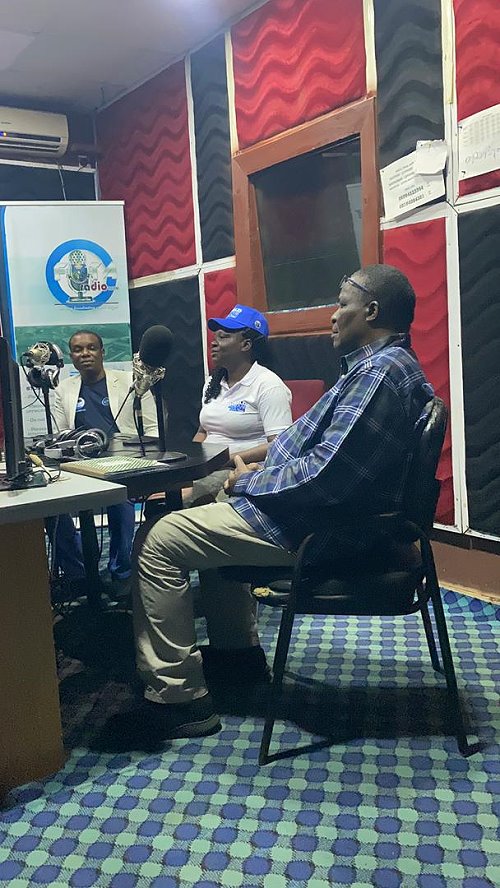
Prof. O.A. Fagbenro, Dr. Lydia Adeleke and Dr. O.k. Gbadamosi at FUTA Radio on 8th June 2026
Day 1 Activities, 8 June 2026: Radio Awareness Programme
The celebration commenced on 8 June 2026 with a radio discussion on the World Ocean Day theme at FUTA Radio (93.1 FM).
The programme featured distinguished speakers from the Department of Fisheries and Aquaculture Technology, Federal University of Technology, Akure: Prof. O. A. Fagbenro, Dr. O. K. Gbadamosi and Dr. Lydia Adeleke.
Also in attendance were representatives from Aquaworld (Led by Eweola Paul who is currently on his Master’s Programme in Europe).
During the interactive session, listeners posed several questions relating to ocean conservation, marine protected areas, and sustainable use of marine resources.
The speakers provided comprehensive responses, creating greater public awareness of the significance of World Ocean Day and the need for collective action in protecting marine ecosystems. The speakers emphasized that Marine Protected Areas offer a practical and effective strategy for addressing many of these challenges. Properly established and managed MPAs can:
- Restore declining fish populations;
- Conserve endangered marine species;
- Protect mangrove ecosystems;
- Strengthen coastal resilience to climate change;
- Promote sustainable fisheries; and
- Support the growth of Nigeria’s blue economy through tourism, fisheries, maritime transport, and other ocean-based industries.
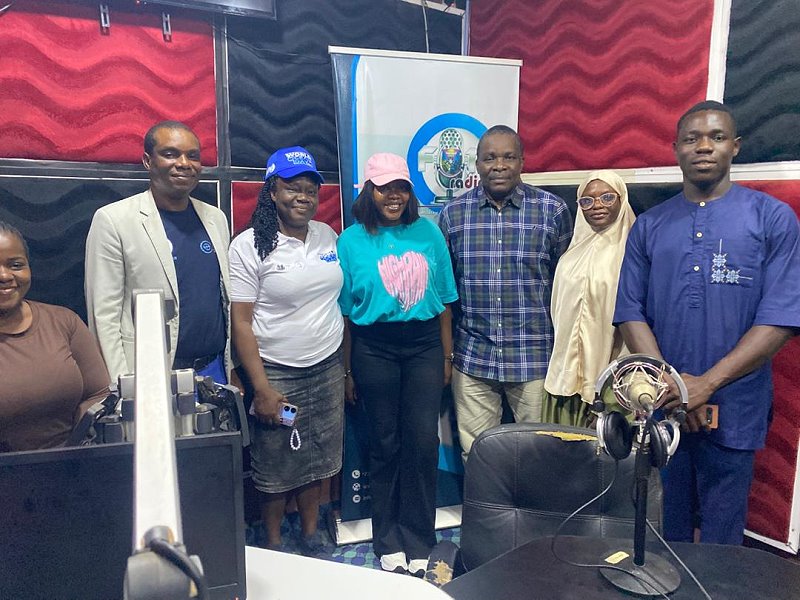
Cross-section of members of Aquaworld and FishHub at the FUTA Radio Talk on 8th June 2026 (Extreme Right is Mr. Fadairo the first winner of Mundus maris Shark prize in World Ocean Day activities 2015)
Earlier the same day, Dr. Lydia Adeleke was also featured on the Good Morning Nigeria radio programme on Ondo State Radiovision Corporation (OSRC) Orange 94.5 FM, where she discussed the importance of marine conservation and the relevance of the 2026 World Ocean Day theme. In her talk highlights, Dr. Adeleke emphasized that oceans cover more than 70 percent of the Earth’s surface and provide numerous essential services, including food supply, livelihoods, transportation, climate regulation, and oxygen production. She noted that oceans are truly the lifeblood of the planet. However, she also highlighted the growing threats facing marine ecosystems worldwide, including pollution, overfishing, habitat destruction, oil spills, and climate change. These human-induced pressures continue to degrade marine biodiversity and compromise the health of ocean environments.
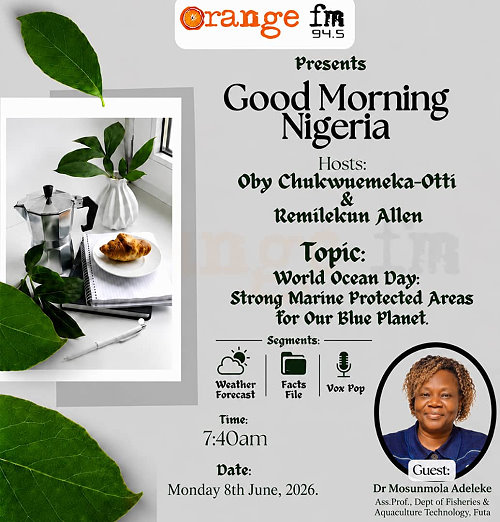
Flyer for the Ondo State Radiovision Coorporation Orange FM; Good Morning Nigeria.
A major focus of the discussion was the role of Marine Protected Areas (MPAs). MPAs are designated sections of oceans, seas, and coastal waters where human activities are regulated to conserve biodiversity and maintain ecosystem health. Such protected areas provide safe habitats for fish, marine mammals, corals, mangroves, and other aquatic species to breed, grow, and thrive. The discussion underscored the importance of marine conservation in Nigeria. The country is endowed with an extensive coastline stretching approximately 853 kilometres along the Atlantic Ocean and spanning coastal states including Lagos, Ogun, Ondo, Delta, Bayelsa, Rivers, Akwa Ibom, and Cross River States.
Millions of Nigerians depend directly and indirectly on marine resources for food security, employment, transportation, tourism, and economic development. Despite these benefits, Nigeria’s marine environment faces numerous challenges, including Plastic pollution; Indiscriminate waste disposal; Coastal erosion; Illegal and unsustainable fishing practices; Mangrove degradation; and Oil pollution, particularly in the Niger Delta region. These environmental pressures threaten marine biodiversity and negatively affect the livelihoods of coastal communities.
A Call to Action
The programme concluded with a call for collective responsibility in protecting Nigeria’s marine resources. Conservation is not solely the responsibility of government agencies; every citizen has an important role to play. Individuals can contribute by reducing plastic waste, participating in beach clean-up campaigns, supporting sustainable fishing practices, promoting environmental education, and advocating for stronger environmental protection policies.
Listeners were reminded that the ocean connects all people and nations. Protecting the marine environment is not only an environmental responsibility but also an investment in public health, food security, economic growth, and national prosperity.
As World Ocean Day 2026 is celebrated globally, Mundus maris asbl, Akure, reaffirms its commitment to raising awareness and promoting actions that contribute to the conservation and sustainable use of marine and coastal resources for the benefit of current and future generations.
Day 2 Activities: Lectures and Art-Science Painting Competition
The speakers explained that well-managed Marine Protected Areas play a critical role in ensuring the sustainability of fisheries. By protecting breeding grounds, spawning sites, and nursery habitats, MPAs allow fish populations to reproduce and grow without excessive human interference. They further highlighted that fish species within protected areas often increase in both abundance and size. As fish populations recover, some individuals migrate into surrounding waters, creating what scientists describe as the « spillover effect. » This process benefits local fisheries by increasing fish stocks available for harvesting in adjacent fishing areas while maintaining ecological balance within marine ecosystems.
The students were informed that strong and effectively managed MPAs contribute significantly to economic development. Protected marine environments attract tourists, researchers, and recreational users, creating opportunities for eco-tourism and related businesses. In addition, sustainable fisheries supported by healthy marine ecosystems provide employment opportunities and income for coastal communities. The lecturers emphasized that marine conservation is not only an environmental necessity but also an economic investment that helps secure food supplies, livelihoods, and long-term prosperity for communities that depend on marine resources.
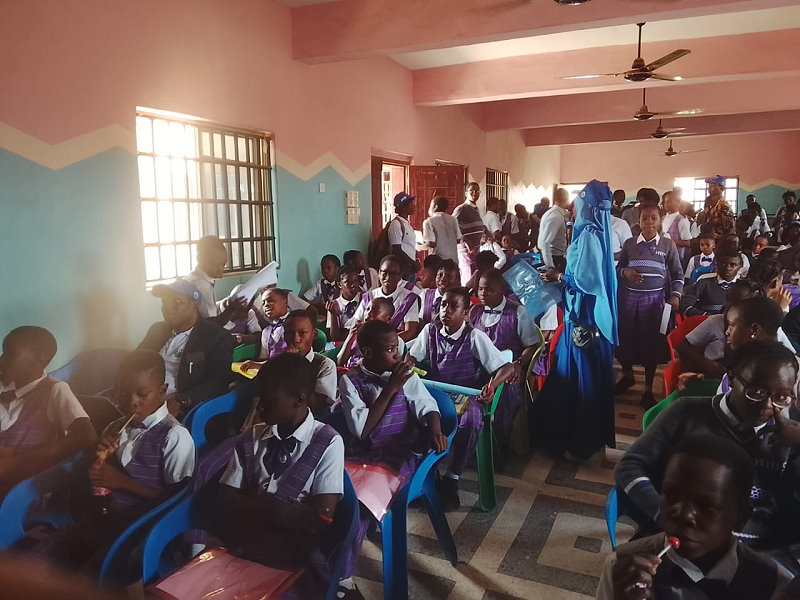
Cross-section of the participants at the Lectures at Higher Heights High School, Akure, Nigeria.
Another important aspect discussed was the role of MPAs as natural laboratories for scientific research. Protected areas provide opportunities for scientists to study marine ecosystems, monitor environmental changes, and evaluate the impacts of human activities on biodiversity. The lecturers also stressed the importance of environmental education in fostering a culture of conservation among young people. Through awareness programmes, school activities, and community engagement, future generations can develop a deeper understanding of the value of oceans and the need to protect them.
A total of one hundred and seventy (170) students participated in the lecture session. The students actively engaged with the speakers, asked questions, and demonstrated keen interest in issues relating to marine conservation, biodiversity protection, and sustainable ocean management. The presentation materials used during the programme are available through the attached presentation links.
Art-Science Painting Competition
Running simultaneously with the lecture session was an Art-Science Painting Competition, designed to encourage creativity and deepen students’ understanding of marine conservation through visual expression.
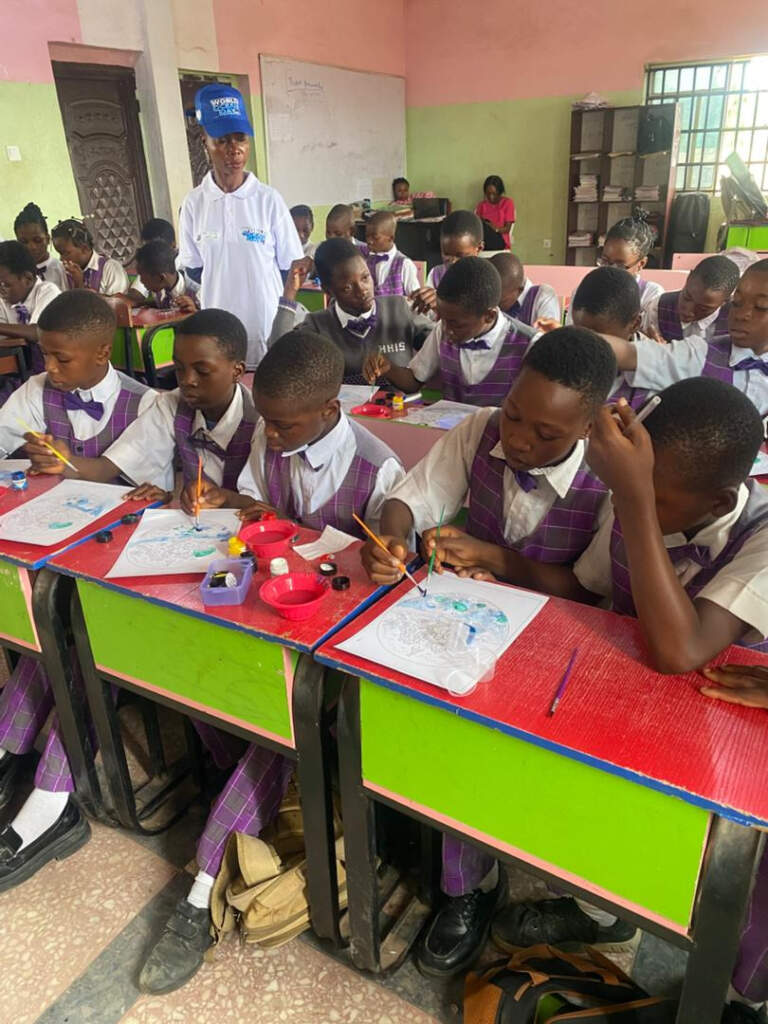
Pupils at work
A total of thirty-five (35) students participated in the painting exercise. Using art as a communication tool, the students produced illustrations reflecting the World Ocean Day theme and highlighting the importance of protecting marine ecosystems, conserving biodiversity, reducing pollution, and promoting sustainable use of ocean resources.
The paintings demonstrated remarkable creativity, innovation, and understanding of the environmental messages conveyed during the lectures. Following the evaluation of the artworks, outstanding participants emerged and were recognized with awards for First Place, Second Place, and Third Place respectively.
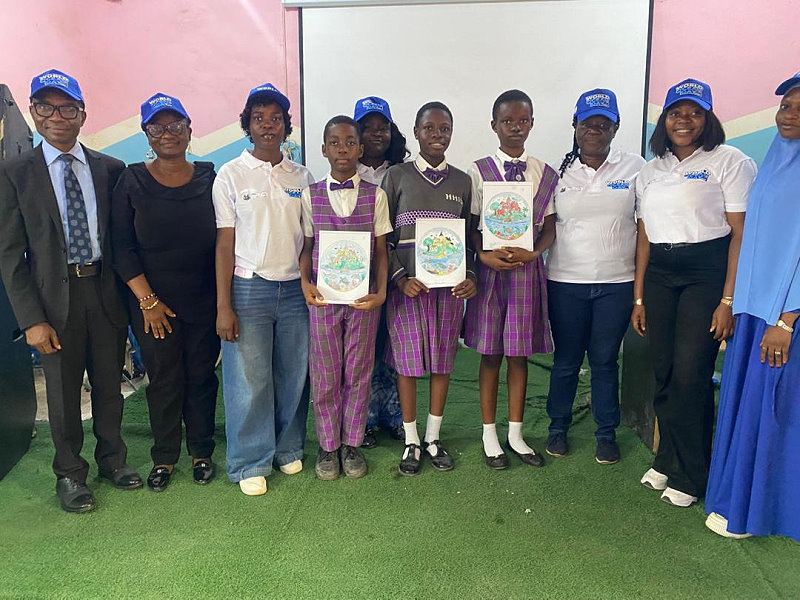
Winners of the painting session
The competition provided an excellent platform for integrating science, environmental awareness, and artistic expression, while inspiring students to become ambassadors for ocean conservation within their schools and communities.
The Day 2 activities successfully combined education, creativity, and environmental advocacy, thereby contributing to the overall goal of raising awareness about the importance of strong Marine Protected Areas for sustaining a healthy and productive blue planet.
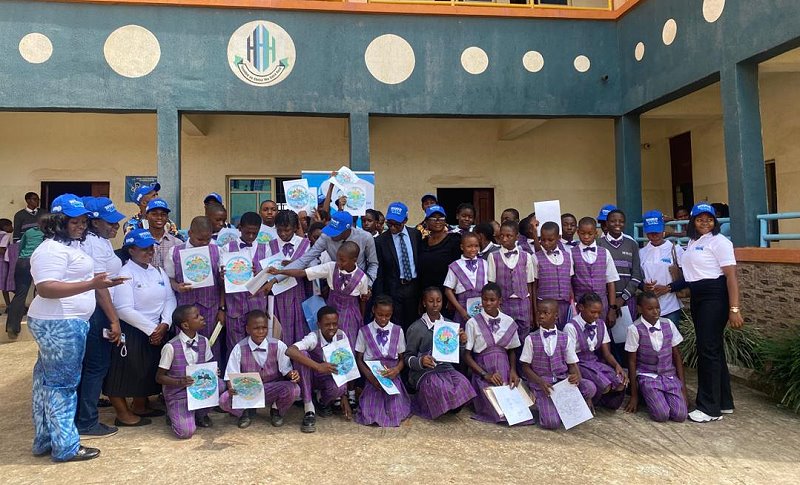
Group photo of all participants with the teachers
Day 3 Activities: Clean up Carnival
The World Ocean Day 2026 celebration concluded on 10 June 2026 with a Clean-Up Carnival held around the West Gate of the Federal University of Technology, Akure, Oba-nla community environment in Akure, Ondo State, Nigeria. The activity was organized to translate awareness into action by promoting environmental stewardship and encouraging community participation in the protection of aquatic ecosystems.
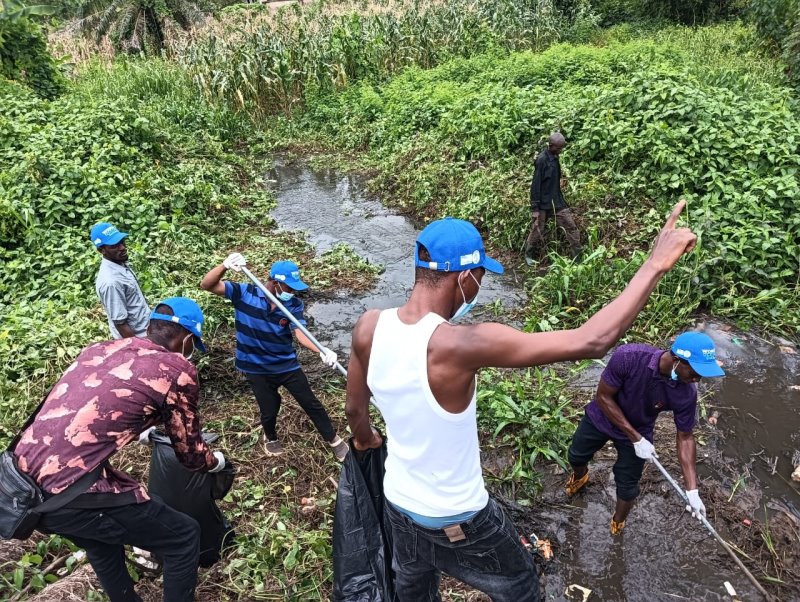
Clean-up in full swing
The event witnessed the active participation of members of Aquaworld, FishHub, and students of the Department of Fisheries and Aquaculture Technology, Federal University of Technology, Akure (FUTA). Participants assembled early in the day and embarked on a clean-up exercise aimed at removing litter and other waste materials from the surrounding environment.
The clean-up carnival served as a practical demonstration of the principles of environmental conservation and sustainable waste management. Participants collected and properly disposed of plastics, sachet water packs, bottles, paper waste, and other refuse that could potentially find their way into drainage systems, rivers, and ultimately the ocean.
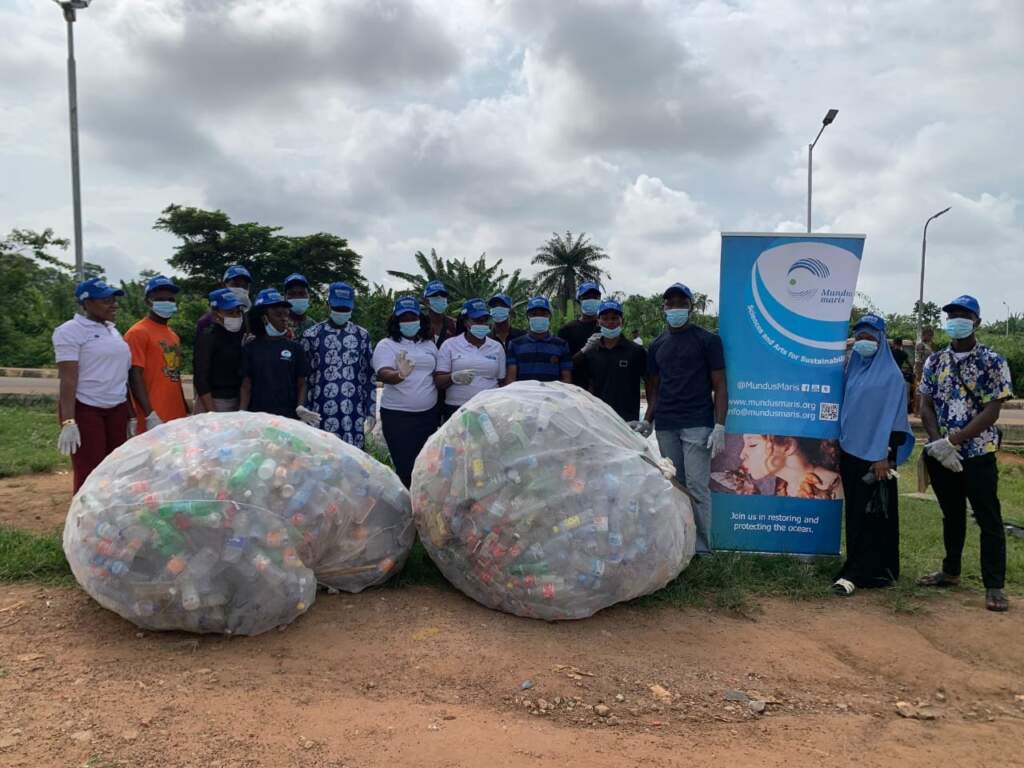
Amazing amounts of plastic were collected for professional processing by a local company
The exercise emphasized the connection between inland activities and marine pollution, reinforcing the message that protecting the ocean begins with keeping our immediate environment clean. The programme contributed significantly to raising awareness of the importance of protecting marine ecosystems and advancing the global vision of a healthy, resilient, and productive ocean for present and future generations.
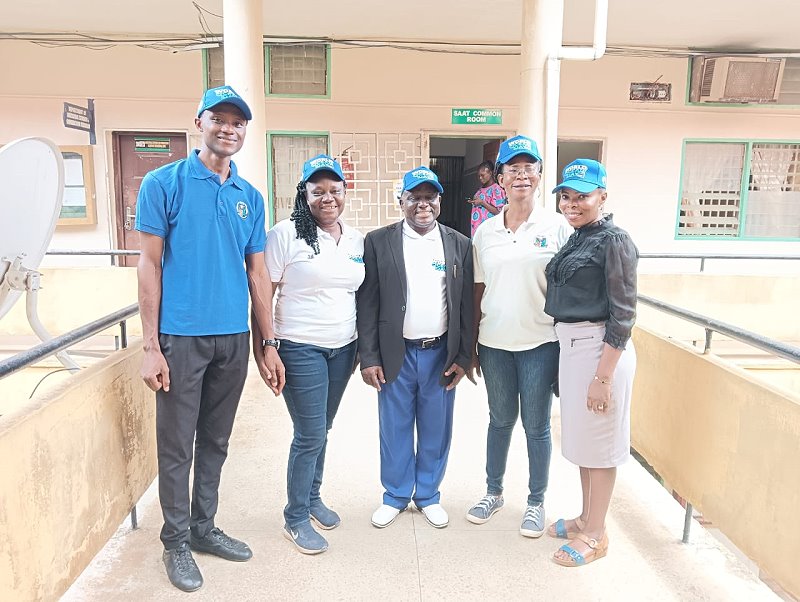
The proud orga team at the end of three intensive days protecting the ocean and their immediate environment
Text and photos by Dr. Lydia Adeleke. Congrats!