Su invito del Policy Center for the New South di Rabat, in Marocco, la Vicepresidente di Mundus maris, Stella Williams (Nigeria), è intervenuta nell’ultima delle quattro sessioni di dibattito. L’evento, della durata di una giornata, si è tenuto il 13 maggio 2026 nella capitale marocchina sotto il motto: “Mari africani: sfide strategiche in un mondo iperconnesso e iperconflittuale”. I quattro panel erano intitolati, rispettivamente:
- Spazi marittimi africani: valutazione strategica di attributi e limitazioni
- L’economia blu in Africa: promesse e realtà di una nuova frontiera per lo sviluppo
- Governance marittima in Africa: tra quadri regionali e continentali – L’imperativo del consolidamento
- L’Africa nell’Oceano Globale? Posizionamento strategico e proiezioni
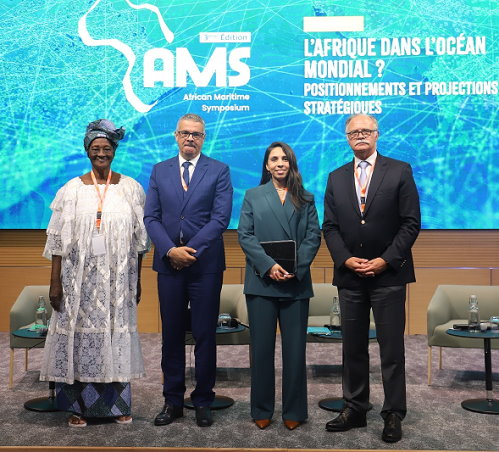
Panel 4, da sinistra a destra: Prof.ssa Stella Williams, Vicepresidente di Mundus maris; Taoufik El Ktiri, Segretario Generale del COMHAFAT, Marocco; Rim Berahab, Economista Senior, Policy Center for the New South, Moderatrice; Nuno de Noronha Bragança, Contrammiraglio, Coordinatore, Atlantic Centre, Portogallo.
La partecipazione di alto livello ha garantito presentazioni e riflessioni approfondite su come il continente africano — destinato a diventare presto il più popoloso del pianeta, con una popolazione prevalentemente giovane — intenda posizionarsi nell’attuale contesto globale multipolare, caratterizzato da numerose tensioni; ciò, nonostante i sondaggi condotti in molti paesi indichino che la maggioranza delle persone desidera la pace, la cooperazione internazionale e l’impegno verso migliori condizioni di vita per tutti.
L’intervento di Stella ha posto con decisione al centro del proprio discorso la necessità di un migliore equilibrio tra approcci *bottom-up* e *top-down* nel posizionamento dell’Africa e delle sue politiche marittime. Lo aveva intitolato in modo quanto mai appropriato: «Iniziative *bottom-up* più solide sostengono le opportunità per soluzioni globali».
Ha sostenuto la necessità di un’azione più incisiva contro la pesca illegale, non regolamentata e non dichiarata (IUU) — praticata prevalentemente da flotte industriali straniere — che costa ai paesi africani centinaia di milioni di dollari in mancati introiti. Aspetto ancor più grave, tale attività ha contribuito in misura determinante al sovrasfruttamento delle risorse ittiche e ha compromesso la produttività degli ecosistemi costieri, essenziali per il sostentamento e la sicurezza alimentare di milioni di persone. L’aggiornamento della legislazione nazionale e delle relative misure di applicazione, nonché il rafforzamento della cooperazione tra le istituzioni pubbliche — dalle dogane alle autorità portuali, dalla Guardia Costiera ai ministeri preposti ai diversi elementi complementari delle politiche nazionali — dovevano costituire delle priorità.
Ha poi proseguito sottolineando che tali approcci dovevano essere bilanciati da un ben maggiore riconoscimento dei punti di forza e delle innovazioni a livello locale. L’adozione di misure concrete verso la cogestione, nonché la trasposizione delle Linee guida volontarie per garantire la sostenibilità della pesca su piccola scala (SSF), avrebbero conferito maggiore legittimità ed esecutività alle politiche nazionali e alla loro attuazione. L’Accademia SSF — sperimentata con successo da Mundus maris nell’ambito dell’impegno volto a rendere operative le Linee guida SSF — presentava, a tal riguardo, un notevole potenziale. Il dialogo inclusivo e rispettoso, condotto in uno spazio sicuro tra i molteplici attori legati al settore, ha favorito l’apprendimento reciproco e la generazione di soluzioni per problematiche che, altrimenti, si sarebbero protratte irrisolte.
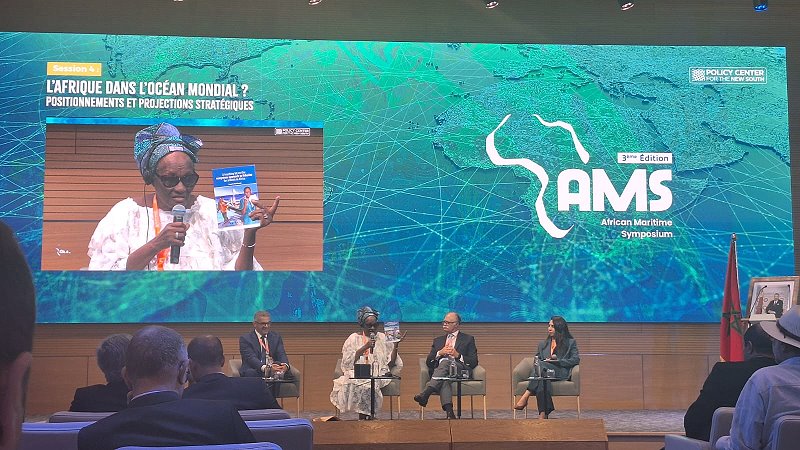
Stella ha inoltre sostenuto la necessità di investire maggiormente nell’istruzione delle giovani generazioni, un tema che le è stato particolarmente a cuore per tutta la durata della sua lunga carriera. Ha presentato un esempio di materiali didattici sviluppati da Mundus maris, in collaborazione con insegnanti del Senegal e del Gambia, al fine di trasmettere ai bambini, fin dalla tenera età, i concetti relativi all’approccio ecosistemico alla pesca. I materiali, prodotti per il progetto Friedtjof Nansen della FAO, hanno riscosso un grande successo tra gli insegnanti, gli alunni e persino tra i pescatori su piccola scala; purtroppo, tuttavia, non sono stati resi disponibili i fondi necessari per una distribuzione su più ampia scala, sebbene tutto il materiale sia tuttora scaricabile gratuitamente dal sito web di Mundus maris.
Ha concluso con un appello a mettere la pesca su piccola scala al centro di un’economia blu sostenibile, a rafforzare le capacità organizzative e tecniche locali; a rispettare e valorizzare il patrimonio culturale per ottenere il consenso, a collegare gli accordi internazionali all’esperienza locale per migliorare l’autonomia, la fiducia e l’equità, non da ultimo nella lotta contro la pesca illegale, non dichiarata e non regolamentata (INN). Infine, ha invitato tutti i paesi africani che non lo avessero ancora fatto a ratificare il Trattato BBNJ per sedere al tavolo decisionale della COP1 nel gennaio 2027 (18 su 56 ratificati, 36 firmatari). Le diapositive possono essere scaricati qui.
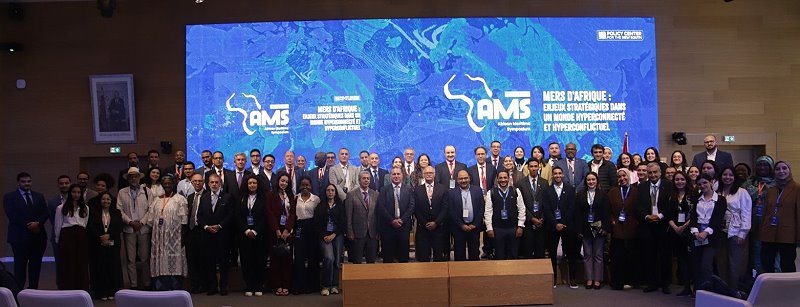
La foto di famiglia al termine di una conferenza memorabile. C’è lavoro da fare: oggi, domani, continuamente.
Mundus maris riconosce con gratitudine il sostegno finanziario per le spese di viaggio del nostro Vicepresidente da parte del Policy Center for the New South.